For years, companies have invested heavily in modern offices. Designer furniture, trendy lounge areas, and curated details have signalled culture, creativity, and appeal. Yet it is clear that stylish interiors alone no longer convince people to come to the office.
After the pandemic and the shift to hybrid work, employee expectations have changed. The office now competes with the home setup – and that is about far more than aesthetics.
Here are three things many employees today value more than beautiful design.
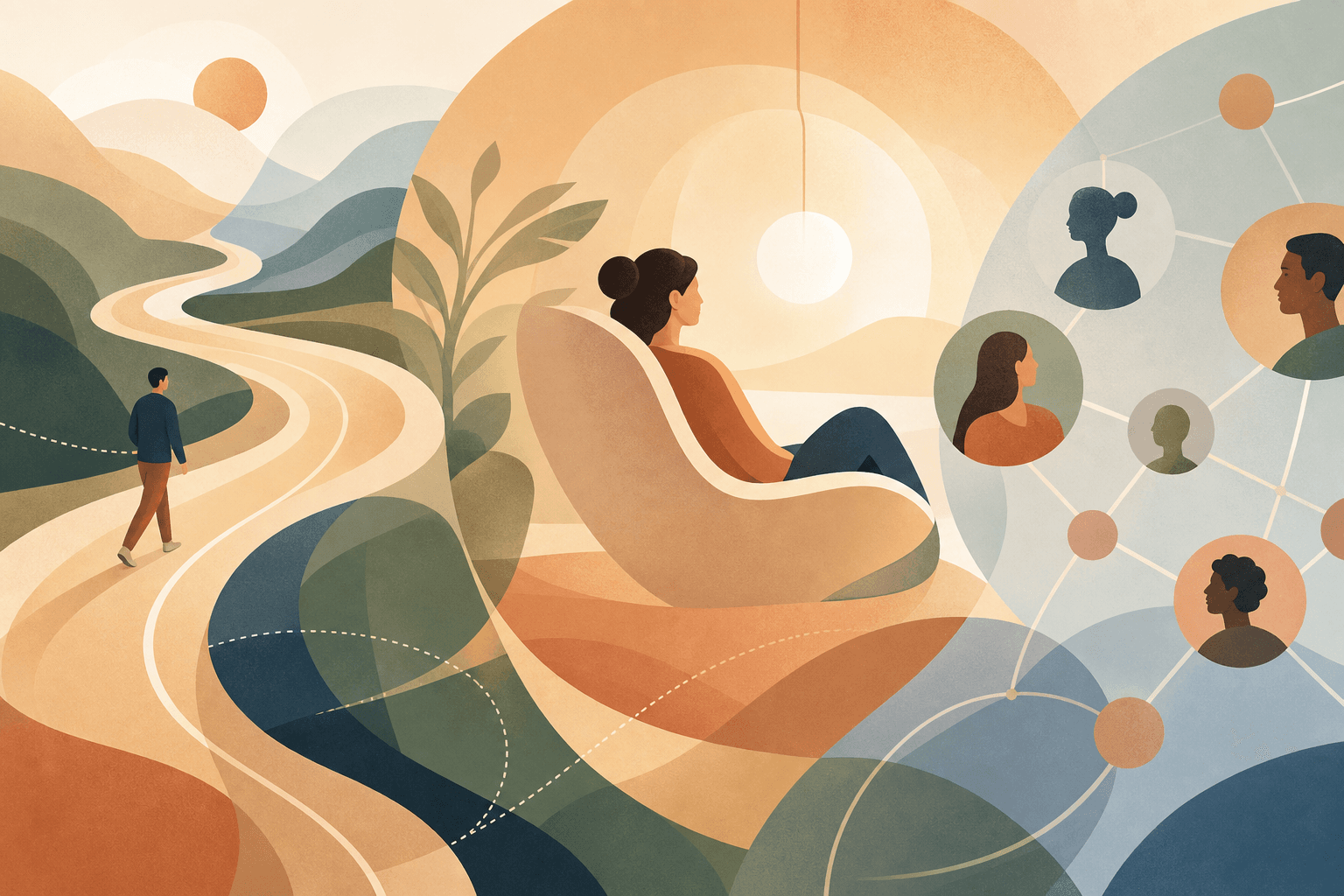
1. Flexibility and autonomy
For many people, controlling how the workday runs matters more than how the office looks. Choosing where to work, adjusting hours, and balancing life and job often outweigh interior concepts.
That does not make the office irrelevant. People want the workplace to support daily life rather than restrict it.
Companies that offer flexibility often see higher satisfaction, stronger productivity, and better retention. Autonomy has become part of the working environment.
2. A workplace that actually works
A good-looking office is not automatically a functional one. Employees increasingly prioritise what affects everyday work:
- Sound levels
- Ergonomics
- Access to quiet rooms
- Meeting spaces that work
- Ventilation and light
If the office feels stressful or hard to work in, design matters less.
After years of remote work, many people are used to more control over their environment at home. Expectations of the office have risen accordingly.
3. Community and culture
What many miss at home is not the desk or the coffee machine – it is people.
Social connection, spontaneous conversations, and a sense of belonging have become core functions of the office. Employees value places with natural encounters, inclusive culture, collaboration, and energy.
The office is increasingly a destination for meeting colleagues and feeling part of a team, not only for completing tasks.
The office must create value
Stylish interiors can still improve the experience, but they are rarely decisive on their own. Tomorrow's attractive workplaces will likely combine function, flexibility, and human needs.
If people can work almost anywhere, the office must offer more than a beautiful room. It has to create real value in everyday work.